Native vs Hybrid Apps
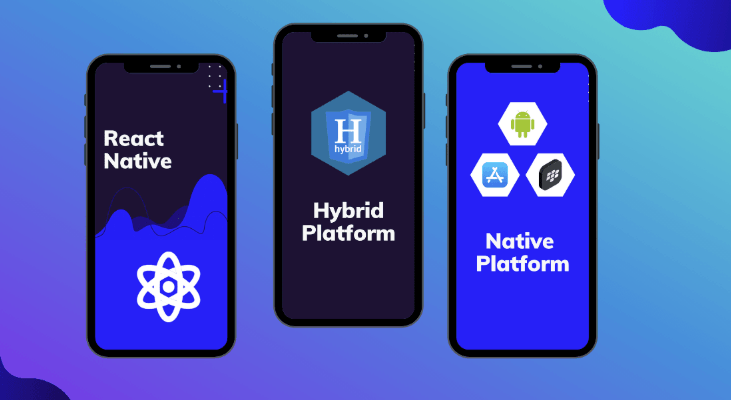
Native and hybrid apps frame a core tradeoff: performance and native UX versus broad reach and speed to market. Native delivers smoother interfaces and deeper feature access; hybrids trade some immediacy for centralized maintenance. Teams must weigh use-case goals, feature non-negotiables, and the tension between platform-specific experiences and cross‑platform parity. The decision isn’t binary; the answer hinges on priorities—and what it implies for future roadmap decisions. The right path invites a closer look at practical criteria.
What Native vs Hybrid Apps Actually Mean
Native and hybrid apps are two approaches to delivering software on mobile platforms, each defined by how they are built and how they interact with device capabilities.
The discussion centers on native feasibility versus cross-platform promises, highlighting control, access, and performance realities.
Hybrid tradeoffs arise from abstraction layers, while native traction favors optimized UX, security, and long-term flexibility for freedom-seeking developers.
How They Compare on Performance, Maintenance, and Costs
When evaluating performance, maintenance, and costs, the contrast between native and hybrid approaches becomes decisive: native apps often deliver smoother UI and faster device interactions, while hybrid solutions trade some immediacy for broader reach. For freedom-minded teams, native performance remains compelling, yet hybrid maintenance promises easier updates and cross-platform parity, shaping a measured, strategic cost calculus.
Choosing by Use Case: When to Go Native or Hybrid
Choosing by use case hinges on aligning project goals with platform realities: when device-native features, peak responsiveness, and optimal offline behavior are non-negotiable, native is the prudent path; when speed-to-market, cross-platform parity, and centralized updates take priority, hybrids deliver clearer value.
A strategic stance weighs cross platformability concerns against platform specific UX, preserving freedom to tailor success.
Practical Decision Framework: Criteria and Checklist
A practical decision framework for native vs. hybrid apps boils down to a structured set of criteria and a concise checklist that teams can apply at project inception and during iterations.
This framework emphasizes disciplined evaluation, clear milestones, and objective tradeoffs.
It highlights native maintenance implications and hybrid scalability potential, guiding disciplined freedom-seekers toward decisions that align with strategic goals and long-term viability.
Frequently Asked Questions
How Do Updates Affect Native Vs Hybrid Apps After Deployment?
Updates vs distribution shape outcomes; updates for native apps require platform approval, while hybrids leverage faster cycles. Maintenance vs performance trade-offs persist post-deployment, with hybrids prioritizing agility and native systems prioritizing stability and optimized user experience for freedom-seeking audiences.
Which Platforms Restrict or Enable Hybrid App Capabilities?
Platform restrictions vary; certain ecosystems limit hybrid capabilities more than others, shaping strategic choices. He notes that enabling environments exist where hybrid capabilities flourish, while restrictive platforms curtail flexibility, guiding freedom-seeking developers toward adaptable, resilient cross-platform strategies.
What About Security Vulnerabilities Unique to Each Approach?
Security flaws differ: native apps face platform-imposed sandbox boundaries, while hybrid approaches risk wider attack surfaces from bridging codecs and plugins. Strategically, each should enforce strict permission models, rigorous code reviews, and continuous vulnerability testing to protect freedom.
How Do App Store Review Processes Differ for Native and Hybrid Apps?
App Store review processes differ by complexity: native apps face tighter scrutiny for platform-specific guidelines, whereas hybrid apps centralize checks on framework compliance. Deployment timelines vary: native approvals may be slower, hybrid often shorter, yet reset by updates or rejections.
See also: Multi-Platform App Development
What Is the Typical Time-To-Market Difference Between the Two?
The time-to-market difference favors native apps with faster development speed, delivering higher quality sooner; hybrid approaches lag due to fragmentation and testing. In strategic terms, natives win agility for freedom-minded teams, while hybrids trade speed for flexibility.
Conclusion
Native vs hybrid apps deliver distinct advantages: native excels in UX, performance, and deeper platform access; hybrid wins with speed-to-market and uniform updates across platforms. The truth to probe: there is no one-size-fits-all; success hinges on aligning use-case goals, non-negotiable features, and maintenance realities. Decision-makers should apply a disciplined framework, weighing UX fidelity against development velocity, then commit to a path that sustainably meets user expectations and business objectives. In summary, choice flows from goals, not trends.