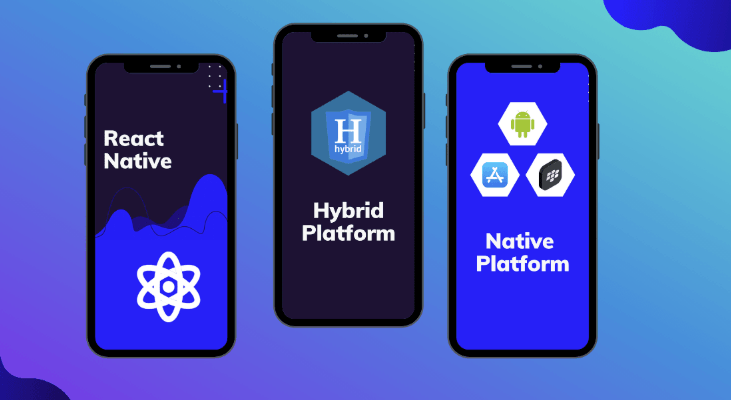
Multi-Platform App Development

Multi-platform app development aims to deliver a unified experience across iOS, Android, and web with a single codebase. It emphasizes shared tooling, transparent tradeoffs, and scalable architectures that balance reach and performance. Teams evaluate goals, capabilities, and ecosystems to choose appropriate frameworks and selective native integrations. Proactive testing and release planning sustain reliability while preserving per-platform optimization. The conversation invites concrete tradeoffs and concrete steps to advance the project, inviting continued discussion on practical paths forward.
What Multi-Platform Development Really Delivers
Multi-platform development delivers a unified codebase and consistent user experience across iOS, Android, and web environments. It enables rapid iteration, shared tooling, and collaborative workflows, while maintaining transparency about tradeoffs.
Teams assess cross platform overhead, optimizing performance without sacrificing reach. The approach accepts native feel tradeoffs, balancing intent, polish, and maintainable architecture to empower freedom-focused product teams.
Choosing the Right Cross-Platform Toolset
Choosing the right cross-platform toolset requires a structured evaluation of project goals, team capabilities, and target platforms. A systematic, proactive assessment compares framework ecosystems, community support, and long-term maintenance. Collaboration across design and development reduces risk and accelerates onboarding. Decisions hinge on Cross platform tradeoffs and the Native feel vs. abstraction, balancing performance, reliability, and freedom to innovate.
Architecting for Performance Across Devices
Scalability strategies emerge through adaptive rendering, resource-aware scheduling, and selective native integration, enabling seamless cross-platform behavior while preserving freedom to optimize per platform.
Testing, QA, and Maintenance for Cross-Platform Apps
A systematic, proactive, collaborative stance guides cross platform testing, aligning developers, QA, and product teams.
Emphasizing performance maintenance, this framework supports freedom-aware release cycles, rapid feedback, and resilient, user-focused software delivery.
Frequently Asked Questions
What Are the Cost Implications of Cross-Platform Development Across Teams?
Budget tradeoffs, team alignment. The approach weighs cost tradeoffs and platform specific APIs, predicting cross-platform benefits while flagging coordination challenges; a proactive, collaborative stance helps teams balance speed, quality, and freedom, aligning on shared standards and measurable outcomes.
How Long Does It Take to Ship Updates on Multiple Platforms?
A notable 42% faster release cycle emerges when teams align early; delivery timelines improve with cross-platform pipelines. The approach emphasizes proactive collaboration and update automation, enabling freedom-seeking stakeholders to ship updates across platforms efficiently and systematically.
Can Native Performance Be Achieved With Cross-Platform Frameworks?
Native performance is achievable only variably; cross platform tradeoffs persist. A single codebase helps, but platform specific APIs may require optimization, testing, and native modules to meet expectations, fostering proactive collaboration and freedom-based decision making.
See also: nurturerealytr
Which Platform Features Require Separate Code Paths or Plugins?
Platform specific features require separate code paths or Plugin integration to access device capabilities; Cross platform tooling cannot fully close Platform divergence. Proactively, collaboratively, the approach balances freedom with systematic planning and platform-aware integration.
How Do You Manage App Store Submission Across Ecosystems?
Managing app store submissions across ecosystems involves Subtopic idea 1 coordinating metadata, Subtopic idea 2 aligning binaries, reviews, and certifications. It follows a systematic, proactive, collaborative workflow, enabling freedom-seeking teams to adapt requirements while maintaining consistent release cadence.
Conclusion
Multi-platform development offers a cohesive codebase, enabling consistent UX while accelerating delivery across iOS, Android, and web. By selecting the right toolset, architects align performance with device realities, and teams collaborate to balance shared logic with per-platform optimizations. Proactive testing, maintenance, and release cadences sustain reliability. In practice, “measure twice, cut once” guides disciplined iteration, ensuring scalable architectures and resilient delivery across ecosystems.